

 |
|
|
|
|
|
|
|
|
|
|
 |
|
|||||||||
 |
 |
 |
|
|||||||
 |
|
|||||||||
 |
 |
|
||||||||
 |
|
|||||||||
 |
 |
|
||||||||
 |
|
|||||||||
 |
 |
|
||||||||
 |
|
|||||||||
 |
 |
|
||||||||
 |
|
|||||||||
 |
 |
|
||||||||
 |
|
|||||||||
 |
 |
|
||||||||
 |
|
|||||||||
 |
 |
|
||||||||
 |
|
|||||||||
Central
Australia RUSC - Orientation: |
Why we do an orientation |
To ensure all students are prepared
for working in a different cultural environment to their own and
ensure cultural safety. |
The CA RUSC Program, requires
all students to complete a 5 day orientation in Alice Springs. The
intention of this week is to introduce you to the cultural, historical,
geographical and medical context of the Central Australian Region. |
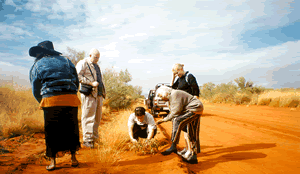 Collecting bush tucker during orientation |
Five key themes are presented
and explored during the orientation. |
1. Welcome to country & introduction
to Central Australian Community Placements |
2. Aboriginal Cultural Awareness
Program |
3. Health Services & delivery
in Central Australia |
4.Country, culture, community
& communication |
5. Logistics & Support |
| Welcome to country &
introduction to Central Australian Community Placements: |
• Welcome to Central Arrernte
Country. • Local sites of significance • Altyerre / Jukurrpa (dreaming) stories of region. • Welcome and introduction to other students. • Overview of Central Australian Region (Population, Languages, Geographical etc) • Introduction to each students placement community |
Aboriginal Cultural Awareness
Program: |
• Level 1 of 4 levels. • Central Australian Region • Culture • Historical Perspective • Languages represented • Cultural Protocols in Aboriginal communities. • Altyerre / Jukurrupa World View |
Health Services &
delivery in Central Australia: |
• Medical Adviser presentation
and discussion • Aboriginal Medical Services (AMS) • Roles of Aboriginal Health Workers (AHW's) and Remote Area Nurses (RAN's). • Remote Health Services • Allied Health Services • District Medical Officers (DMO's) and resident GP's. • Royal Flying Doctor Service (RFDS) • Clinic Evacuation role plays with Medical Adviser |
Country, culture, community
& communication: |
Country
• Whose Country are you on? • Importance of Country to Culture and community members • Homelands Movement • Bush Tucker and Bush Medicine Culture Community Communication |
Logistics & Support: |
• Practical advice (food,
communications, money etc) • Transport provided (4wd, Bus or Mail Plane) • Accommodation provided • Access to Medical Adviser and Rupp staff • Phone conferences weekly • Access to Personal and legal support services • De-brief at end of placement • On-going support as future workforce Back to CA RUSC >>> |