Honing Alcohol Treatment Skills in the Northern Territory
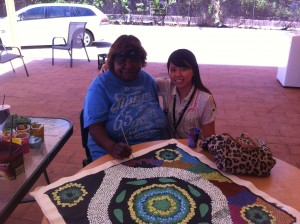
Dr Nay Nay Moe Swe, recently moved back to the Northern Territory for an Extended Skills Post in Indigenous Alcohol Treatment Program, she shares the experience gained as a result.
After 18 months of enjoying GP land in Victoria, I moved back to Northern Territory in mid 2013 to fill myself in a special skill post (Indigenous Alcohol Treatment Program) as a part of my rural General Practice Training Pathway.
Prior to this I worked in Alice Springs Hospital for 3.5 years. My time at Alice Springs Hospital spent in the Emergency Department was significantly impacted by alcohol misuse.
We often referred to patients significantly impacted by alcohol misuse as ‘frequent flyers,’ because they presented to ED with the same problems: alcohol intoxication and other alcohol related issues including acute injury from domestic violence, non-domestic violence and accidents, alcohol induced gastritis and alcohol induced pancreatitis.
Whilst I treated their intoxication and I fixed up their injuries and acute sickness, I was far from understanding why they drank in such a serious way.
The experiences I have gained from working in Safe and Sober Clinic is invaluable. A unique aspect is that we follow the patients, whereas patients follow GPs in other places.
If you think that the medical consults here could be boring, you would be mistaken – there is no default pattern, every patient presents with different problems. They could have different psychosocial stories and different background behind their drinking problems.
They drink because they like it. They drink because they cannot afford to refuse invitations to drink. They drink because they do not know the negative hazards of harmful drinking. They drink because they can freely talk about their feelings and their stories to their friends and families when they are drunk.
In the first consult or introductory meeting with my patients, I try to avoid talking or asking about alcohol but attempt to achieve healthy therapeutic relationship and get their rapport. The more patients I see, the more confident I am in assessing their depression, anxiety and PTSD. The suicide risk is also somewhat high in some patients who have had unbearable social and family stressors related to alcohol. Whilst alcohol seems the most common substance, there are hardly cases of heroin and amphetamine abuse in purely indigenous people.
The numbers of patients I see each day can vary from day to day because their engagement level with our service can be fluctuating and we all accept alcohol use disorder is chronic and relapsing. The chance of being able to see a patient depends on the success of locating a patient in the town by the Alcohol and Other Drugs (AOD) therapist or AOD worker as some of my patients are homeless and they might wander in the town.
When necessary I do home visits to the communities around Alice Springs together with an AOD worker. For instance, a client or a patient might say they are happy to see me but they are not happy to leave their house. Sometimes I join the bush trip which is a fortnightly visit to a place like Simpson Gap or Telegraph Station where health education and promotion are held together with indigenous health workers. I have been using a model of ‘Intensive Follow Up of Focused Patients’ in which I attempted to provide my best follow up health care to patients who are really engaged to our service and highly motivated to quit alcohol or achieve controlled drinking.
After joining this Indigenous alcohol treatment program in Safe and Sober Clinic in early August, how did I feel? To be honest, I was feeling isolated in the first few weeks because I was the solo doctor in the whole team working with AOD therapists and AOD Indigenous workers. With time, I have been trying to fit myself in the team and now I am feeling a lot better to work with the other staff in the team.
Teamwork is critical in this environment. As a member of our small team I always need teamwork to achieve my best clinical work towards my patients. We provide our patients in three streams of medical, psychological and social wellbeing.
In our team, the leader is a very experienced clinical psychologist and I have been learning psychology, Cognitive Behavioral Therapy and other relevant things from him. Most of my colleagues are Indigenous and I have closely learnt more about Indigenous culture.
What else have I been doing in this placement apart from Safe and Sober Service? Once a week I join local GP registrar ‘Small Group Learning’ and sometimes help them to prepare for the fellowship exam to continue my professional development. Every fortnight or month, I meet the hospital drug and alcohol team and mental health team and we exchange the updates of the challenging patients.
I am glad I decided to take this placement at the end of my GP training. Most of my patients have chronic diseases and I have ensured my experience in management of chronic medical problems such as diabetes, hypertension and asthma is up to date.
Alice Springs is a very unique place in the world and the experience in Safe and Sober Clinic is also unforgettable.
Dr Nay Nay Moe Swe has three more months remaining of her placement she plans to continue to expand discovery and learning during this time and then travel to developing countries in South East Asia for a few months.